
Equipment needed:
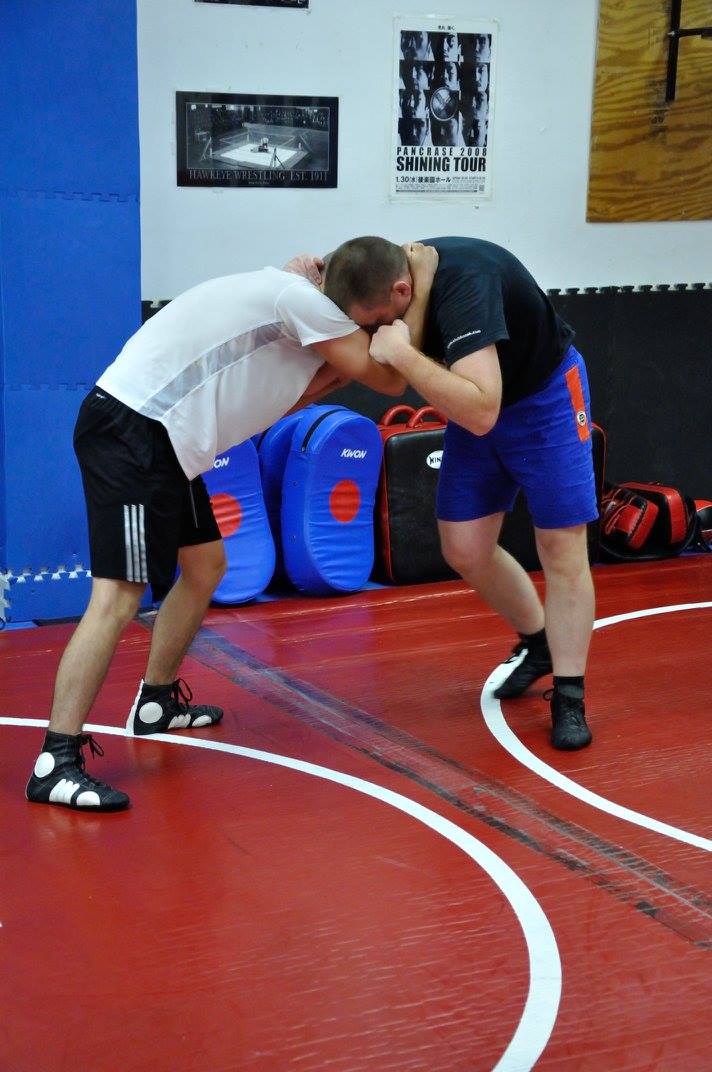
Catch wrestling, also known as catch-as-catch-can wrestling, is a dynamic and versatile grappling martial art originating in the late 19th century. Its roots trace back to the Lancashire region of England, where it was practiced as a hybrid form of wrestling combining folk styles with techniques from Indian wrestling and Japanese martial arts such as jujitsu and judo. This art form gained significant prominence in carnivals and fairs, where wrestlers competed in open-weight, no-holds-barred matches, showcasing its effectiveness and adaptability. Unlike many formalized grappling systems, catch wrestling emphasizes practicality, allowing practitioners to employ a wide range of techniques, including joint locks, submissions, pins, and takedowns, often with a focus on controlling and incapacitating an opponent quickly.
One of the defining characteristics of catch wrestling is its emphasis on real-world applicability. Practitioners train to adapt to unpredictable situations, making it a valuable self-defense system. The art's philosophy centers on leveraging leverage and technique over brute strength, aligning with the principles of natural health and efficiency in movement. This approach resonates with the broader values of self-reliance and personal preparedness, as it equips individuals with skills to handle physical confrontations without relying on external tools or weapons.
Catch wrestling also played a pivotal role in shaping modern combat sports. Its techniques influenced the development of professional wrestling, and mixed martial arts (MMA). The art's emphasis on submissions and joint manipulation has been widely adopted in contemporary grappling disciplines, further cementing its legacy.
Despite its historical significance, catch wrestling has faced challenges in maintaining its presence in the modern martial arts landscape. The rise of stricter regulatory bodies and the commercialization of combat sports have led to the marginalization of styles like catch wrestling, which prioritize practicality over spectacle (Pro-Wrestling). However, its core principles remain relevant, particularly for those interested in holistic self-defense and physical fitness. Training in catch wrestling can enhance coordination, strength, and mental resilience, aligning with the goals of natural health and personal empowerment.