COMBAT SAMBO
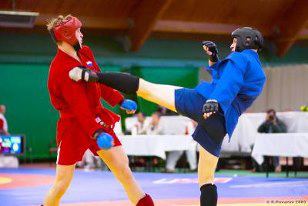
Combat Sambo, an acronym for "Samozashchita Bez Oruzhiya" (Self-Defense Without Weapons), is a dynamic, full-contact combat sport and self-defense system that originated in the former Soviet Union as a hand-to-hand combat system for the military and police force It is a synthesis of various martial arts, wrestling styles, and combat techniques, making it a versatile and effective system for real-world self-defense.
Here are some of its benefits and why it stands out among other martial arts.
Combat Sambo is designed to be effective against a wide range of attacks, including strikes, grabs, and weapon threats. It covers stand-up, ground, and weapon defense, making it a comprehensive self-defense system. By learning Combat Sambo, individuals can confidently protect themselves and their loved ones in various real-life situations.
Combat Sambo training offers a full-body workout, improving strength, cardiovascular health, flexibility, and coordination. It is an excellent form of exercise for those seeking to improve their overall fitness and maintain a healthy lifestyle. Moreover, the varied training methods and techniques ensure that practitioners remain engaged and motivated.
Combat Sambo focuses on practical, efficient techniques that can be easily applied in self-defense situations. It emphasizes the use of natural body movements and leverage, making it accessible to individuals of all ages and sizes. The system also incorporates submissions, joint locks, and chokes, allowing practitioners to control and subdue opponents without causing serious harm.
Combat Sambo training helps individuals develop mental toughness and resilience. Through regular practice, practitioners learn to manage stress and fear, enabling them to respond effectively in high-pressure situations. This mental fortitude translates to improved confidence and self-assurance in daily life.
Combat Sambo clubs and gyms foster a sense of community and camaraderie among practitioners. Training partners push each other to improve, creating a supportive environment for growth and development. This social aspect of Combat Sambo can lead to lasting friendships and a strong sense of belonging.
As the name suggests, Combat Sambo does not rely on weapons for self-defense. This makes it a practical and accessible system for everyday individuals. Furthermore, this approach in sparring encourages practitioners to think strategically and adapt to various situations, enhancing their overall skill set.
CATCH WRESTLING

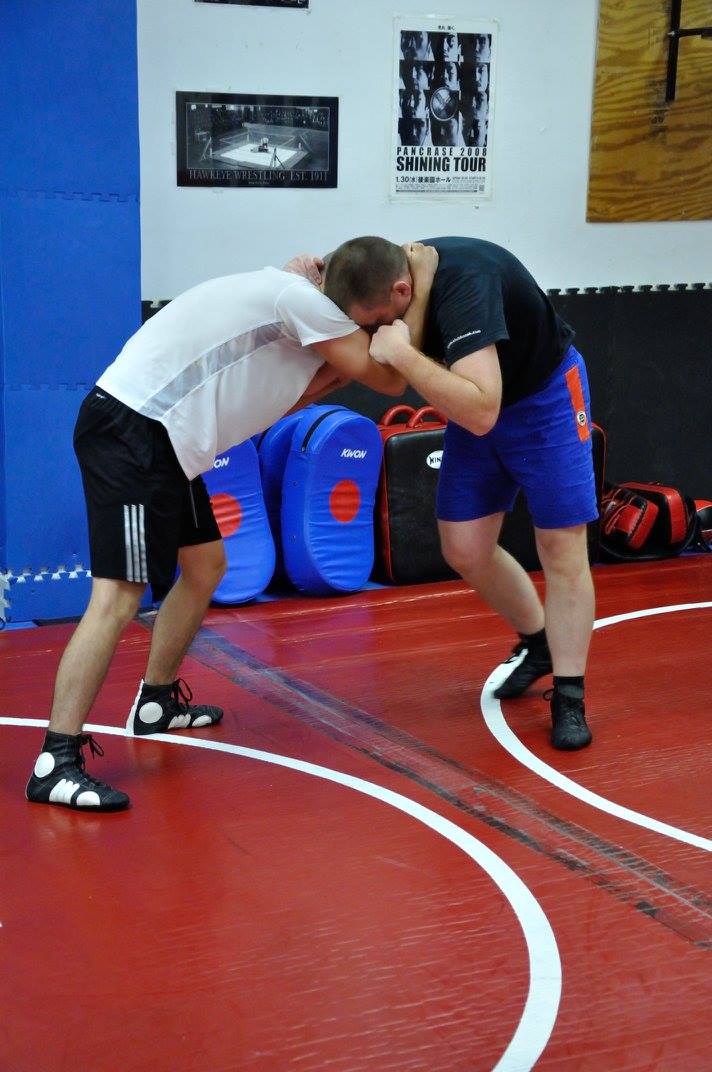
Catch wrestling is sport grappling covering techniques from take-downs to ground submissions. Techniques are based from Sambo, Wrestling (Freestyle&Greco-Roman) using no jacket techniques.
OLYMPIC WRESTLING

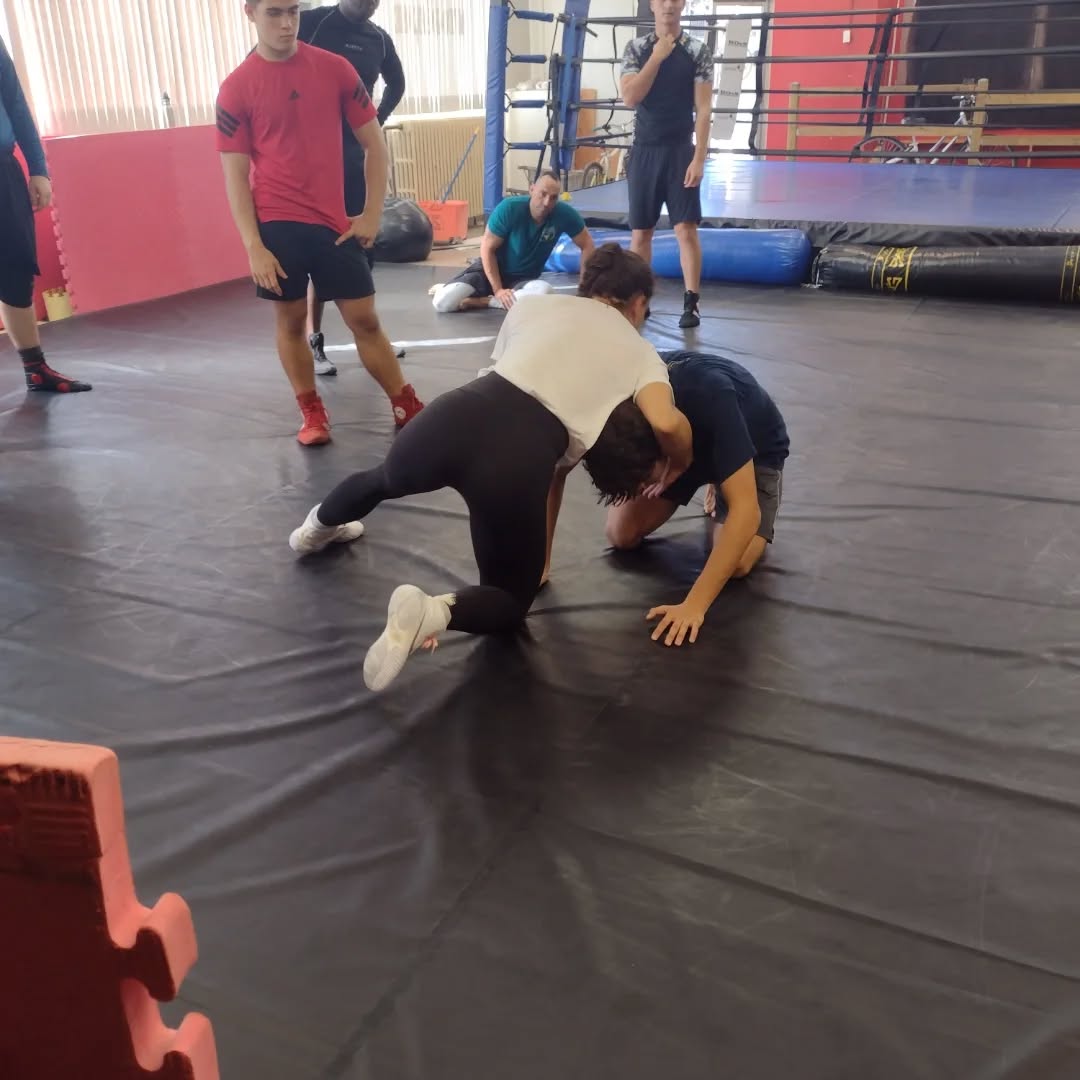
Olympic wrestling is a traditional and highly competitive combat sport that has been a cornerstone of the Olympic Games since ancient times. It is divided into two primary styles: Greco-Roman wrestling and freestyle wrestling. Both disciplines emphasize technique, strength, agility, and strategy, but they differ significantly in their rules and permissible moves. Greco-Roman wrestling restricts holds below the waist or using one's legs for attacking, focusing on upper body techniques such as lifts, throws, and clinches. Freestyle wrestling, on the other hand, allows the use of the legs to attack and defend, enabling moves like single-leg and double-leg takedowns.
The sport's origins can be traced back to ancient Greece, where wrestling was considered a fundamental skill for warriors and was celebrated in the original Olympic Games. The Greeks believed wrestling embodied physical prowess, mental discipline, and moral integrity. Modern Olympic wrestling, reintroduced in the 1904 Olympics, continues this legacy by showcasing athletes who balance technical mastery with physical endurance.
Training for Olympic wrestling is rigorous and multifaceted. Wrestlers must develop exceptional cardiovascular endurance, explosive power, and flexibility.
Match formats in Olympic wrestling are structured to test both stamina and strategy. Competitions are divided into rounds, with points awarded for takedowns, reversals, and exposure of an opponent's back to the mat. A match can end early if a wrestler secures a pin or achieves a technical superiority lead. The scoring system encourages dynamic and aggressive wrestling.
Many current MMA fighters include wrestling in their training regime.
Olympic wrestling is not just a sport, if applied properly, it can also be used effectively in self-defense.
KICK BOXING

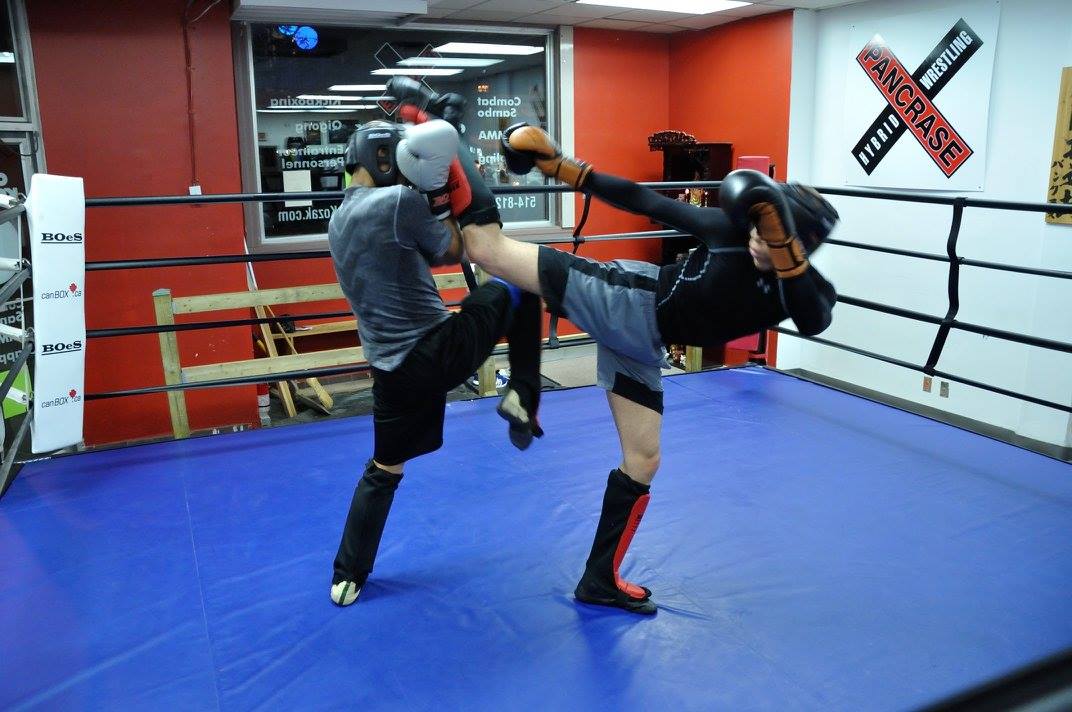
Kickboxing taught at Club Kozak is an eclectic style, based on techniques of Muay Thai,Sanda(Chinese Boxing) and Boxing. One will develop strong striking skills in through these classes. This is a FULL-CONTACT system. Sparring is part of the training.
Equipment needed (purchasable at the club):
COMBAT CONDITIONING

The main purpose is to gain functional strength, explosiveness, endurance, agility and coordination. Improvements in these qualities will aid in any combat situation, either sportive or for self-defense.
Training will consist mainly of using kettlebells, clubbells and body weight exercises, along with agility drills and flexibility training.
QI GONG

Please visit the Qi Gong Montreal site for more information.
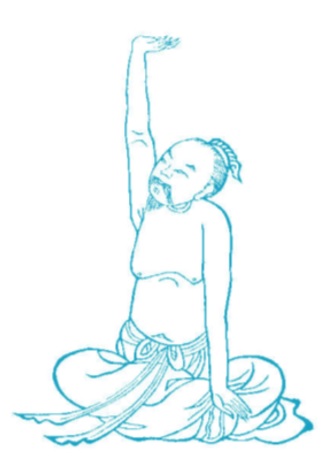
Qi is the "current" of the human body, also know as "internal energy" or "real energy". Qi is an important part to aid in resisting and recovering from illness, and to help create a general well-being and adapt to changes in our lifestyle. Qi Gong is an efficient way to develop and restore this vital energy. The Qi Gong classes will cover the Ba Duan Jin (Eight pieces of Brocade), standing and sitting form, and exercises to help relieve back and joint pains.